No. 1-2 (2022): ART INNOVATION

In issue 01-02/2022 of the Art Innovation journal, the authors investigated the problems of the history and methodology of contemporary art and design. They discussed Modernist and military photography, Ukrainian avant-garde, feminist theory of art and the phenomenon of asemic writing. The issue ends with a reflection on childhood and old age in Russian culture based on the portfolio of St. Petersburg artist Anastasiia Kriulina.
The issue starts with an article by Irina Chmyreva dedicated to the photographer Alexander Slyusarev. She analyzed his work in the context of foreign and Russian Modernist photography of the 1920s – 1970s, as well as avant-garde and post-avant-garde experiments. The author revealed the specifics of the photographer’s creative method. She also explained the significance of his heritage in the development of Russian photography.
Ida Shik studied the representation of the events of the Second World War and the anti-fascist position in photography of the 1930s – 1940s in the context of Surrealist aesthetics. The author analyzed the Surrealist «politics of Eros», as well as the use of visual techniques of Surrealism and its ideas in experimental and documentary European and American photography.
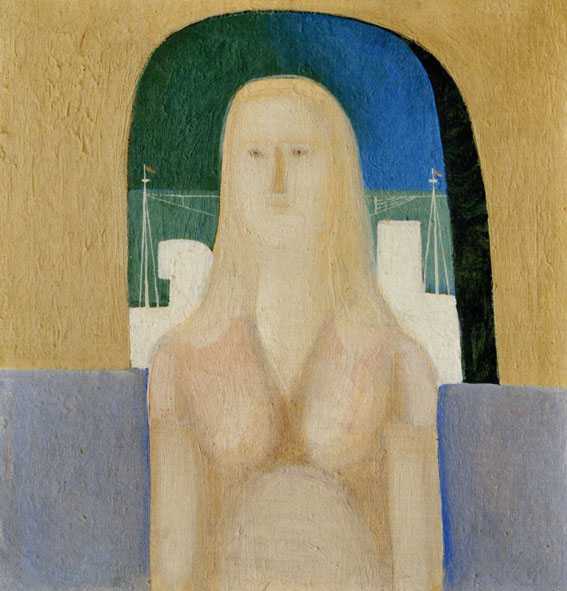
Lyudmila Limanskaya analyzed Ukrainian avant-garde painting on the example of the works by Yury Lutskevich, Tiberey Silvashi, Yury Egorov, Valentin Khrushch, Lyudmila Yastreb, Oleg Nedoshitko and others. The researcher showed their connection with both the European Modernist movement and local ones - boychukism, Byzantism, Neo-Baroque. She paid special attention to the interpretation of biblical motifs and the search for new spiritual values in their art.
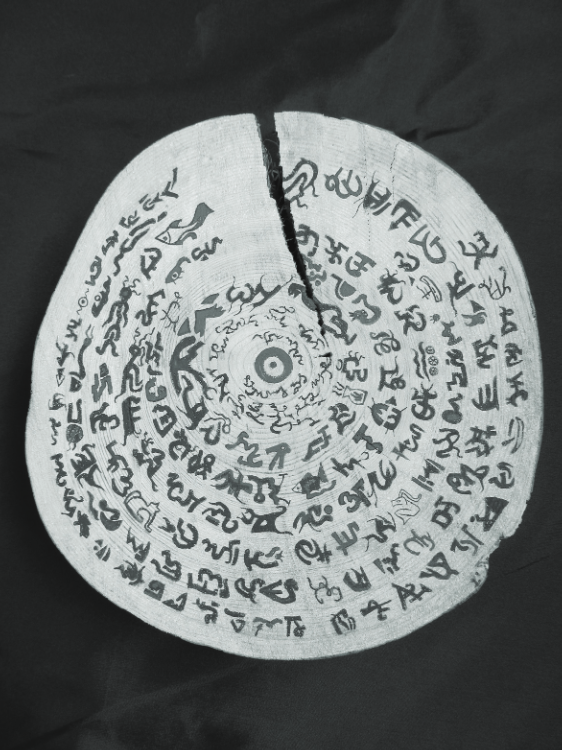
Ksenia Bezgina investigated asemic writing. This is the unique phenomenon at the merge of visual creativity and literature in the art of recent decades. The author defined the conceptual basis of the phenomenon and its features, emphasizing openness, indifference to cultural institutions and some marginality.
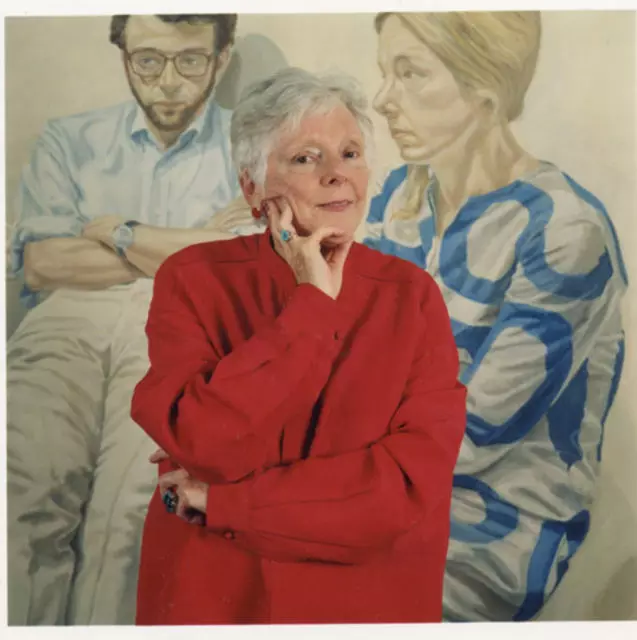
Vasilisa Dmitrieva explored the personality, heritage, and methodology of Linda Nochlin, the pioneer of feminist art history. The author focused on the criticism of her achievements in the works of Griselda Pollock, Rozsika Parker and Naomi Brood. The article is important to understand а feminist view in art history, because the study turns to its origins and offers analytic tools that have not lost their relevance in the contemporary socio-cultural context.
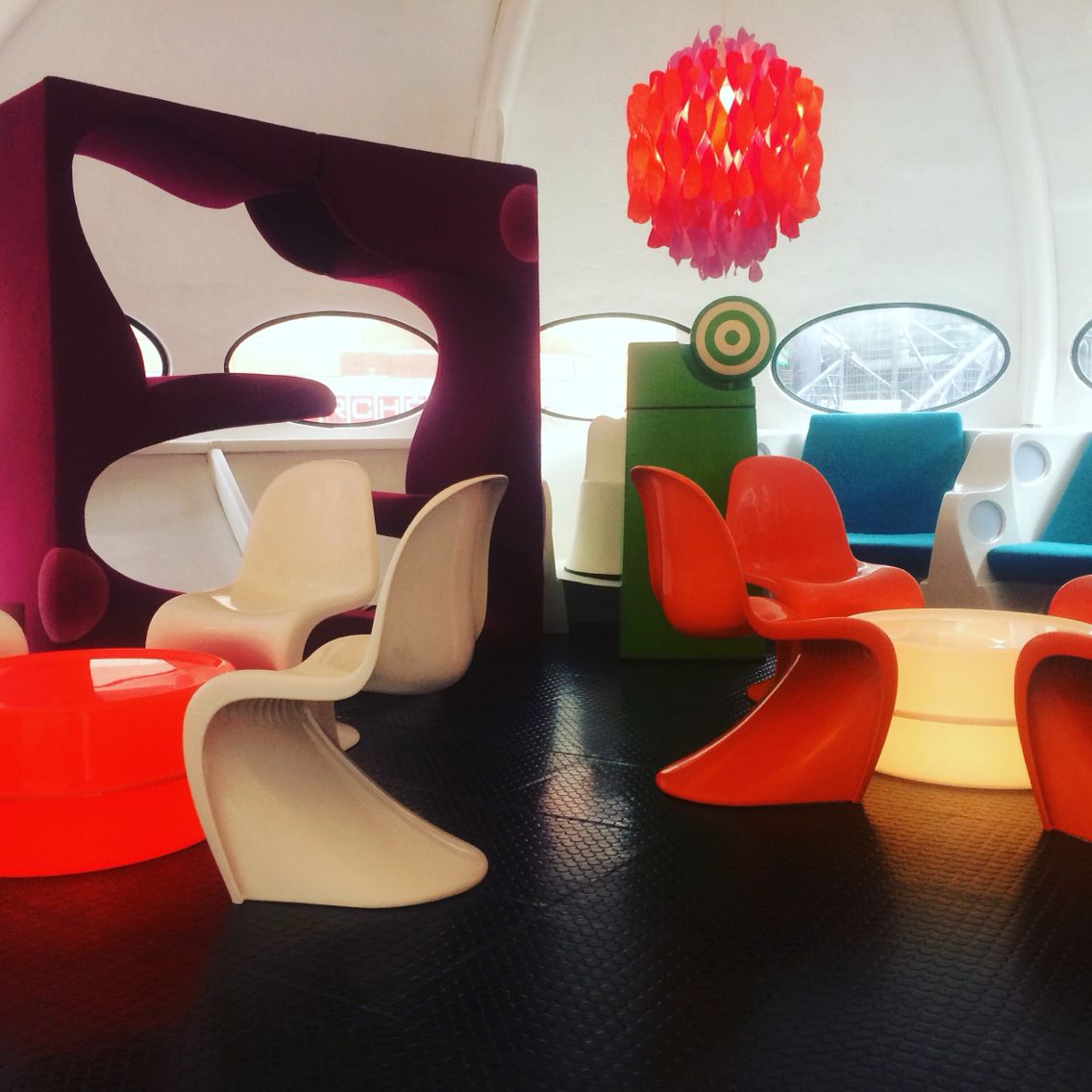
Natalia Druzhinkina considered the design of armchairs and chairs as a style feature of Scandinavian masters. The author showed the interpretation of armchairs and chairs in modern painting. She stressed that a household item received the status of a real art object, that concentrates the iconic ideas of architects and designers. In painting, armchairs and chairs became the subject of philosophical reflection and acquired a special «metaphysical essence».
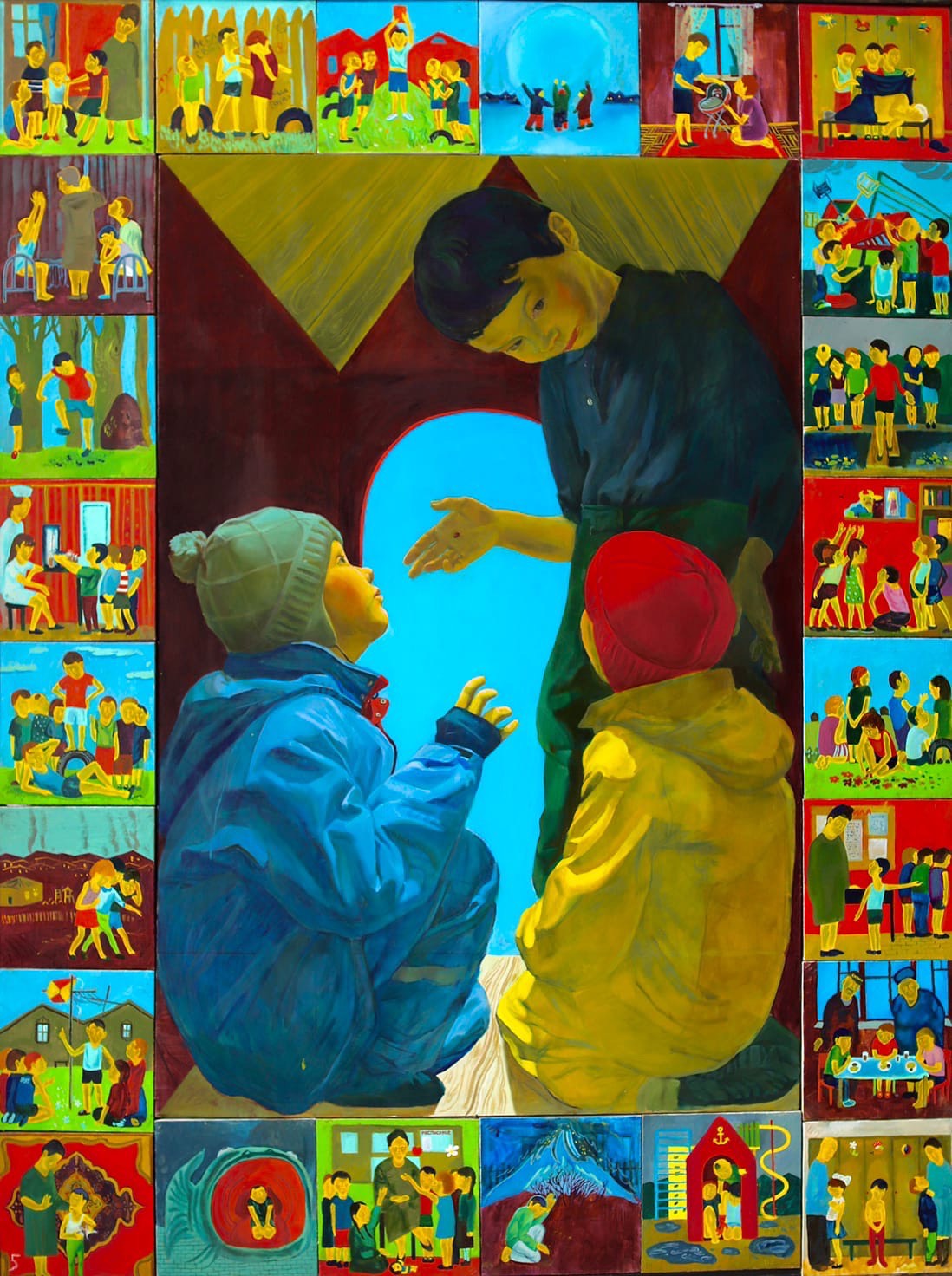
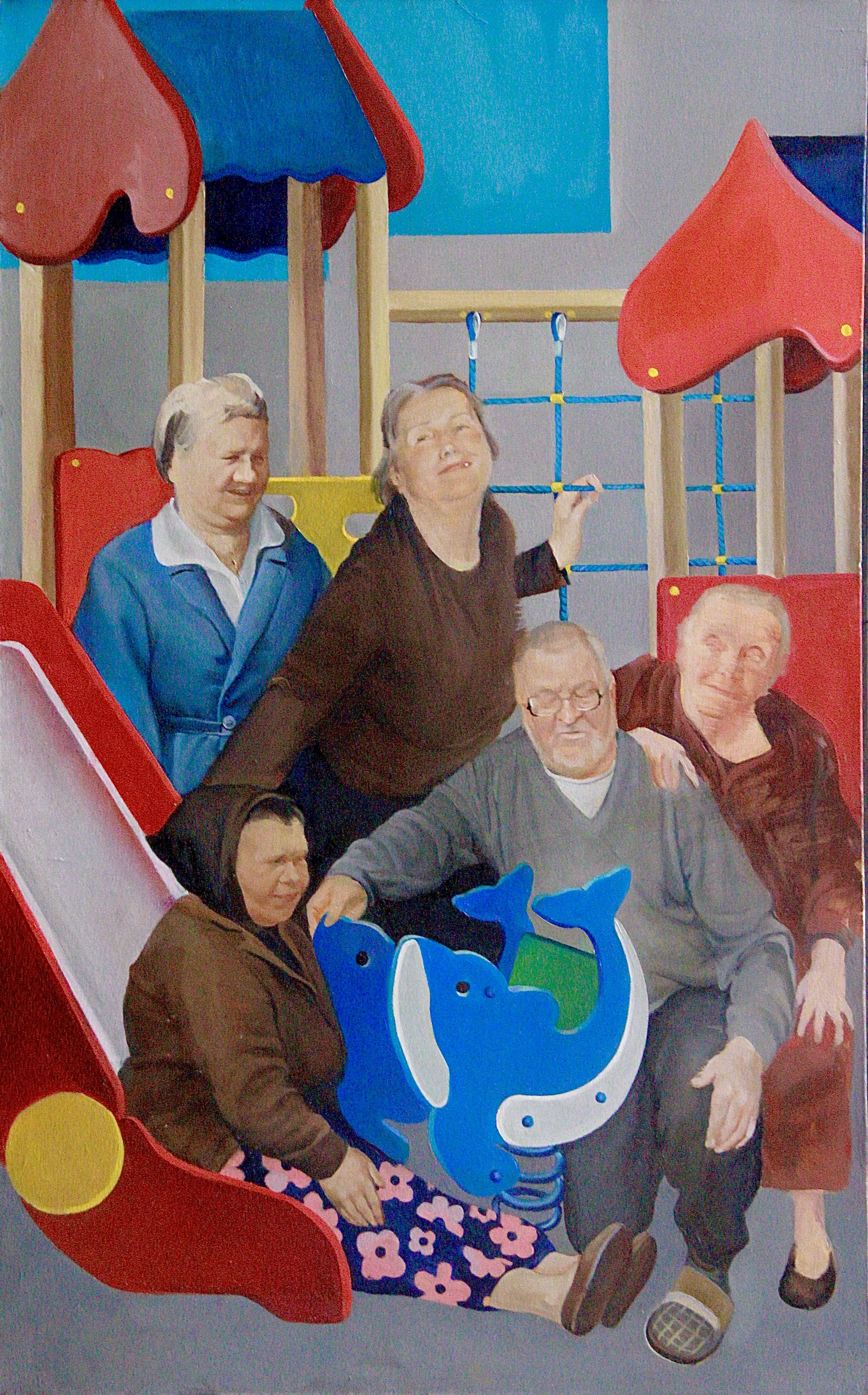
Nataliya Shchetinina's comment on Anastasiia Kriulina's portfolio is a scientific review of the artist's series «Childhood» and «Old Age». The author conducted a comparative analysis placing the works in the historical context and demonstrated the visual and conceptual specifics of her art.
The issue ends with the portfolio of Anastasiia Kriulina, a graduate of the Ilya Repin Academy of Arts. The artist raises psychological, philosophical and social issues related to the individual and collective experience of childhood and old age. Her works show how academic art can be integrated into contemporary cultural discourse through the developments of photorealism and collage, the techniques of a hagiographic icon and historical painting.